Shunt Resistors Guide
Why Shunt Resistors Are Essential
Accurate current measurement is vital in modern electronics. From battery management systems (BMS) to industrial automation, power supplies, and electric vehicles, engineers need reliable ways to monitor current. One of the most effective solutions is the shunt resistor, also called a current sensing resistor.
But what is a shunt resistor, and how does a shunt resistor work? This guide explains the principle, applications, and selection tips, helping engineers design safer and more efficient circuits.
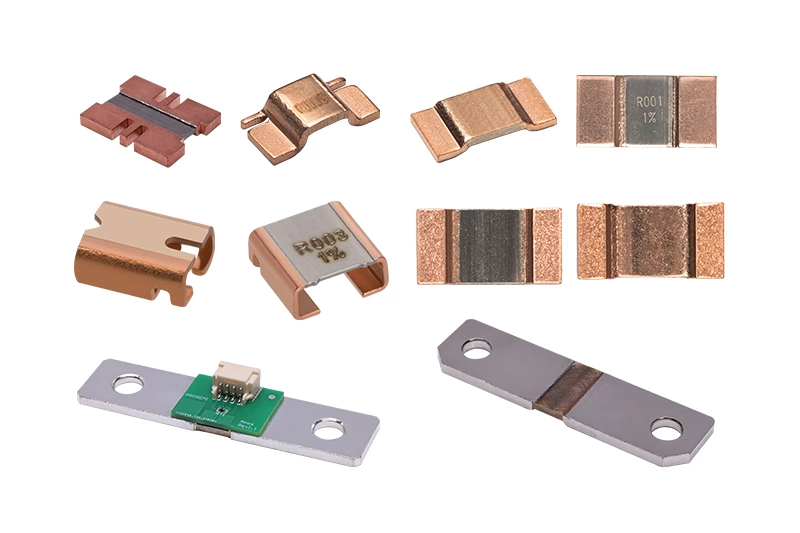
What is a Shunt Resistor?
A shunt resistor is a low resistance, precision resistor used to measure current. When connected in series with a load, it produces a small voltage drop proportional to the current flowing through it. This voltage can be measured by a microcontroller, amplifier, or data acquisition system and converted into the current value using Ohm’s Law:
V=I×R
Where:
- V = voltage across the shunt resistor
- I = current through the resistor
- R = resistance value
Types of Shunt Resistors:
- Precision shunt resistors – high accuracy, low tolerance for sensitive circuits
- High current shunt resistors – ideal for electric vehicles and industrial motors
- Low ohm shunt resistors – minimize voltage drop while handling high current
- Metal alloy shunt resistors – stable under temperature variations
How Does a Shunt Resistor Work?
The principle is straightforward. When current flows through the shunt resistor, it produces a voltage drop proportional to the current. This small voltage can be measured with sensitive equipment, such as an ADC or precision amplifier.
Step-by-Step Working Principle
1.Connect the shunt resistor in series with your load.
2.As current flows, a proportional voltage drop appears across the resistor.
3.Measure the voltage using a microcontroller or amplifier.
4.Calculate the current using Ohm’s Law.
Example:
A 0.01 Ω low ohm shunt resistor carrying 10 A will produce:
V=10A×0.01Ω=0.1V
This allows precise current monitoring in circuits like BMS, DC-DC converters, or motor controllers.
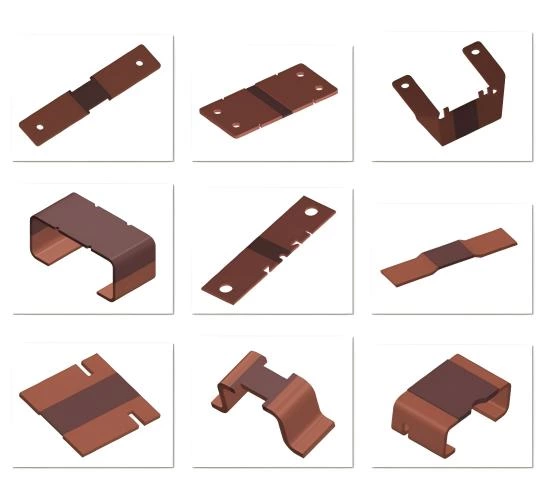
Applications of Shunt Resistors
Shunt resistors are used in many applications where accurate current measurement is critical:
1.Battery Management Systems (BMS) – monitor charging/discharging currents in lithium-ion batteries to ensure safety.
2.Power Supplies and DC-DC Converters – stabilize output and protect circuits from overcurrent.
3.Industrial Automation and Motor Control – measure motor currents for efficiency and protection.
4.Energy Storage Systems and Solar Inverters – track energy usage reliably under thermal stress.
Pro Tip: Choosing the right shunt resistor involves considering tolerance, TCR (temperature coefficient), and power rating, especially in high current or harsh environments.
Why Shunt Resistors Matter
- High Accuracy – enables precise current measurement, essential for critical electronics.
- Cost-Effective – cheaper than Hall effect sensors or other current sensing methods.
- Durable and Reliable – can withstand high currents and industrial conditions.
- Versatile – suitable for automotive, industrial, and consumer electronics applications.
Shunt resistors provide a simple, reliable, and cost-effective way to monitor current in almost any electrical system.
Choosing the Right Shunt Resistor
When selecting a current sensing resistor, consider:
- Resistance Value – low enough to minimize voltage drop but high enough for measurable signal.
- Power Rating – must handle the maximum expected current continuously.
- Tolerance & Precision – tighter tolerance ensures accurate measurement.
- Temperature Stability – low TCR for consistent performance in varying temperatures.
For a detailed guide on choosing shunt resistors, check our Current Sensing Resistor Selection Guide or for personalized recommendations.
Conclusion
Understanding what a shunt resistor is and how it works is fundamental for engineers and designers. Whether you need precision shunt resistors for sensitive electronics or high current shunt resistors for industrial systems, choosing the right component ensures safety, efficiency, and reliability.
Explore our full range of shunt resistors and current sensing resistors to enhance your designs today.
👉 for product inquiries, technical support, or to request a quote.