Current Sensing Resistor Selection Guide
Why Choosing the Right Resistor Matters
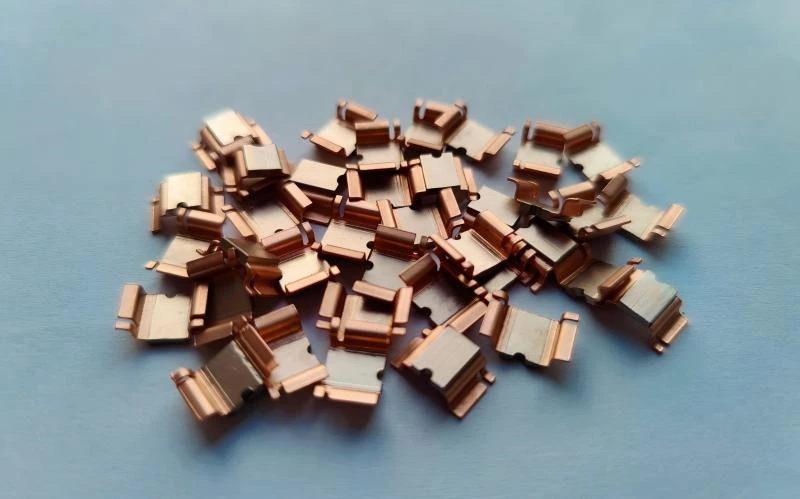
Selecting the right current sensing resistor is crucial for accurate current measurement, system efficiency, and safety. Whether for battery management systems (BMS), DC-DC converters, or industrial motor control, using the wrong resistor can lead to measurement errors, overheating, or even system failure.
This guide explains how to choose a shunt resistor, the types available, and best practices for various applications. If you’re looking to buy precision shunt resistors, we offer a range of high-quality solutions for every application.
Step 1: Determine Your Application Requirements
Before selecting a resistor, identify
- Current range – maximum and continuous currents expected
- Voltage drop – low enough to minimize losses but measurable
- Temperature environment – ensures stability under thermal changes
- Power rating – resistor must handle continuous current without overheating
Example: For a high current shunt resistor in an EV or industrial application, you need a low ohm resistor with high power rating and stable temperature performance.
Quick Shunt Resistor Selection Checklist
| Parameter | What to Check | Typical Range / Notes |
|---|---|---|
| Rated Current | Maximum continuous and peak current | From a few amps to several hundred amps |
| Resistance Value | Low enough to minimize power loss | Milliohm (mΩ) or micro-ohm (µΩ) range |
| Power Rating | Ability to dissipate heat safely | Apply 125%–150% safety margin |
| Tolerance | Measurement accuracy requirement | ≤1% for precision current sensing |
| TCR | Resistance drift over temperature | Typically ±25–100 ppm/°C |
| Package / Mounting | Thermal and PCB layout constraints | SMD for compact designs, through-hole for high power |
Step 2: Choose the Right Resistor Type
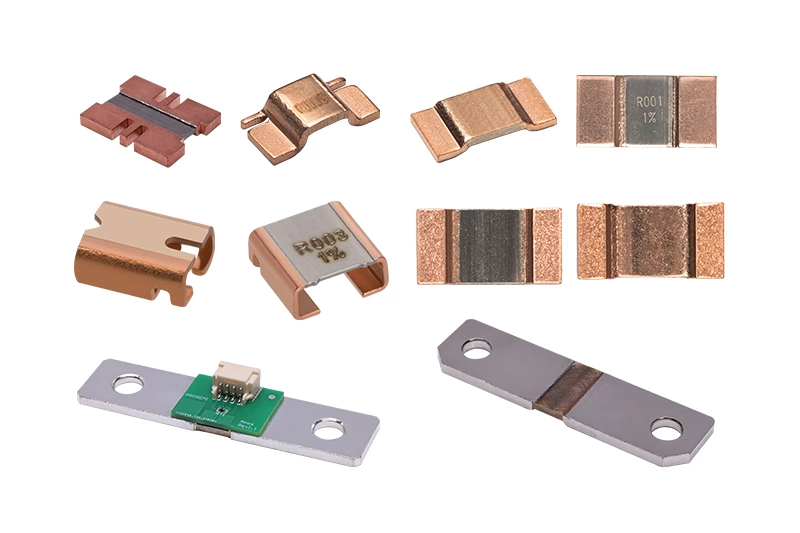
1.Precision Shunt Resistors
- High accuracy, tight tolerance (≤1%)
- Ideal for sensitive electronics like BMS and medical devices
- Available for bulk orders or custom solutions
2.High Current Shunt Resistors
- Designed for large currents (up to hundreds of amps)
- Used in electric vehicles, industrial motors, and high-power converters
- Can be customized for your specific application needs
3.Low Ohm Shunt Resistors
- Minimize voltage drop to reduce power loss
- Suitable for high current industrial applications
4.Metal Alloy vs Wirewound vs Surface Mount
- Metal alloy – stable, low TCR, good for precision
- Wirewound – handles high power, larger footprint
- Surface mount – compact, ideal for PCB integration
Looking for the right shunt resistor for your project? Check our current sensing resistor products or request a quote today.
Step 3: Consider Electrical and Environmental Factors
- Tolerance & Accuracy – lower tolerance = better measurement precision
- TCR (Temperature Coefficient of Resistance) – minimal drift under heat
- Power Rating – must safely dissipate energy
- Thermal Management – high current resistors may require heat sinks
Need high-quality shunt resistors for industrial or automotive applications? Our technical team can help you select the best solution. Contact us.
Step 4: Installation Tips for Accurate Measurement
- Place the shunt resistor in series with the load
- Keep traces short and wide to minimize resistance and parasitic effects
- Use differential voltage measurement for high accuracy
- Avoid placing near heat sources that affect TCR
Step 5: Typical Applications
Current sensing resistors are used in:
- Battery Management Systems (BMS) – monitor charging/discharging currents
- DC-DC Converters and Power Supplies – maintain voltage stability and protect circuits
- Industrial Automation – motor control and process monitoring
- Electric Vehicles – high current shunt resistors for traction battery measurement
- Solar and Energy Storage Systems – track energy usage accurately
We offer commercial quantities and custom solutions for all these applications. Request a quote now.
Conclusion
Choosing the right current sensing resistor ensures accurate measurement, system reliability, and efficient energy management. Consider precision, current rating, TCR, and installation practices when selecting a resistor.
Explore our full range of shunt resistors and current sensing resistors and buy precision solutions today. Our team can provide technical support, custom options, and bulk pricing to meet your needs.