Why Ceramic Cartridge Fuses Are Used in High Breaking Capacity Applications
In modern electrical and electronic systems, short-circuit currents can reach extremely high levels within milliseconds. In these situations, not all fuses are created equal. Ceramic cartridge fuses are widely used in high breaking capacity applications because they are specifically designed to handle these severe fault conditions safely and reliably.
This article explains what high breaking capacity really means, why it matters, and why ceramic cartridge fuses are often the preferred solution in demanding power applications.
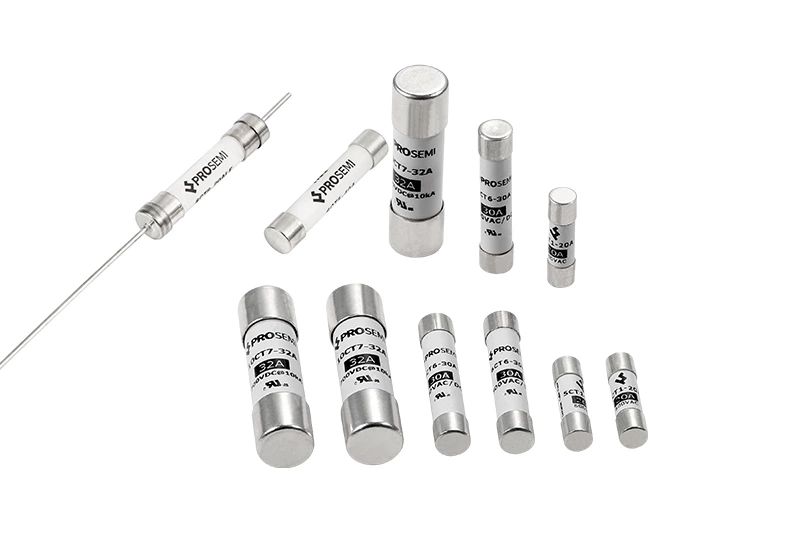
What Does “High Breaking Capacity” Mean?
Breaking capacity (also called interrupt rating) refers to the maximum short-circuit current a fuse can safely interrupt without causing damage to the surrounding system.
When a short circuit occurs:
- Current rises rapidly
- The fuse element melts
- An electrical arc forms
If that arc is not controlled properly, it can result in:
- Fuse rupture
- Fire hazards
- Damage to nearby components
High breaking capacity applications are those where the prospective fault current is very high, such as industrial power systems, energy storage installations, and EV infrastructure.
Why Standard Fuses Are Not Enough
Glass fuses and low interrupt-rated fuses work well in low-energy circuits. However, in high fault current environments, they can become a weak point.
Common issues include:
- Inability to fully extinguish the arc
- Glass tube cracking or shattering
- Uncontrolled release of hot metal or plasma
This is why high breaking capacity applications require a different fuse design—one that can safely contain and interrupt extreme electrical energy.
How Ceramic Cartridge Fuses Handle High Fault Currents
The key advantage of ceramic cartridge fuses lies in their construction.
Strong Ceramic Body
The ceramic tube offers:
-
High mechanical strength
-
Excellent resistance to heat
-
Structural integrity during fault conditions
Unlike glass, ceramic does not soften or shatter easily under thermal stress.
Arc-Quenching Filler Material
Most ceramic cartridge fuses are filled with sand or similar arc-quenching material. When the fuse element melts:
-
The arc is split and cooled
-
Energy is absorbed by the filler
-
The arc is extinguished quickly and safely
This design allows ceramic cartridge fuses to interrupt very high short-circuit currents without external damage.
Thermal Stability and Long-Term Reliability
High breaking capacity applications often involve:
-
Elevated ambient temperatures
-
Continuous load currents
-
Frequent thermal cycling
Ceramic cartridge fuses maintain stable performance under these conditions, making them suitable for long-term use in harsh environments.
This reliability is one of the main reasons ceramic cartridge fuses are widely specified in industrial standards and safety-critical systems.
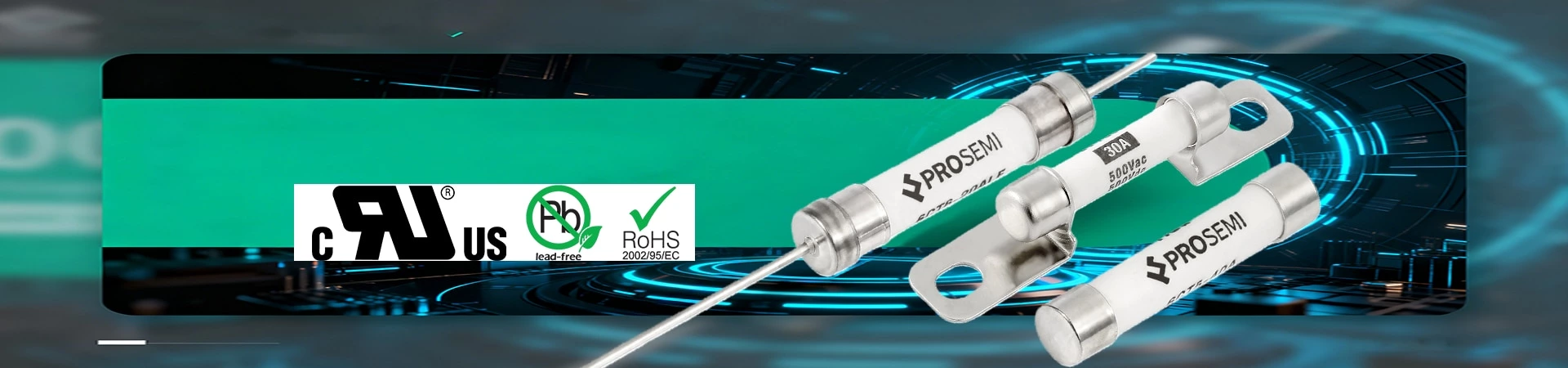
Typical High Breaking Capacity Applications
Ceramic cartridge fuses are commonly used in:
-
Industrial power supplies
-
Motor drives and automation equipment
-
Battery management systems (BMS)
-
Energy storage systems
-
EV charging infrastructure
-
Power distribution equipment
In these applications, fault currents can reach several kiloamps, making high breaking capacity protection essential.
Ceramic Cartridge Fuses vs Other Protection Devices
While circuit breakers and electronic protection devices are also used, ceramic cartridge fuses offer unique advantages:
-
Extremely fast fault interruption
-
Simple, passive operation
-
No mechanical wear
-
High reliability under extreme conditions
For many high-energy systems, ceramic cartridge fuses are used alongside other protection devices to provide layered safety.
When Should You Specify Ceramic Cartridge Fuses?
Ceramic cartridge fuses are strongly recommended when:
-
Fault current levels are high or uncertain
-
System safety is critical
-
Compliance with industrial or international standards is required
-
Equipment operates in demanding environments
In many cases, specifying ceramic cartridge fuses early in the design phase helps avoid costly redesigns later.
FAQ: Ceramic Cartridge Fuses and High Breaking Capacity