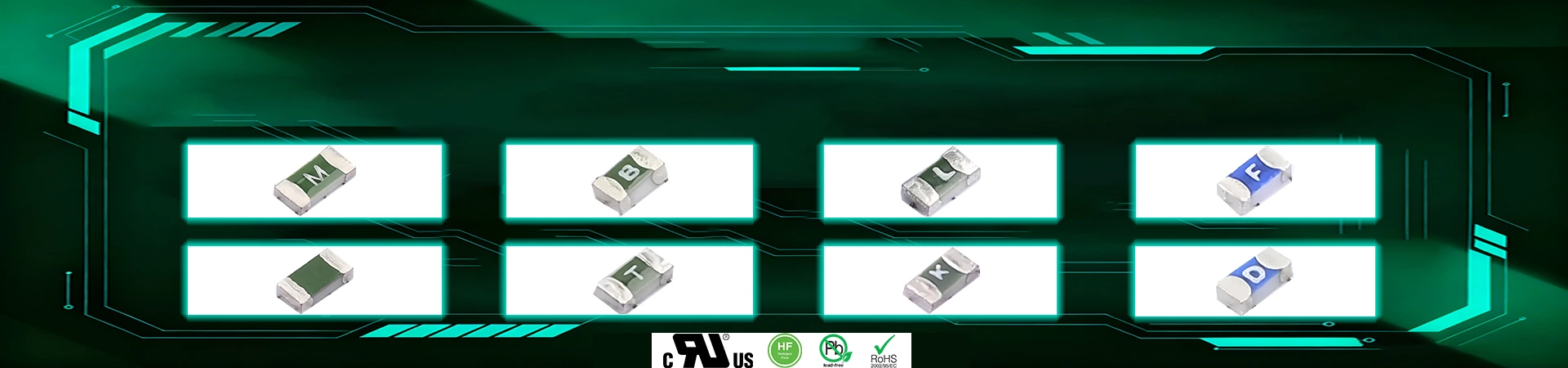
Surface Mount Chip Fuses - Overcurrent Protection
Fast-Acting and Time-Delay SMD Fuses for Reliable Circuit Protection
Designed for High-Reliability Overcurrent Protection in Compact Electronic Designs
Designed for High-Reliability Overcurrent Protection in Compact Electronic Designs
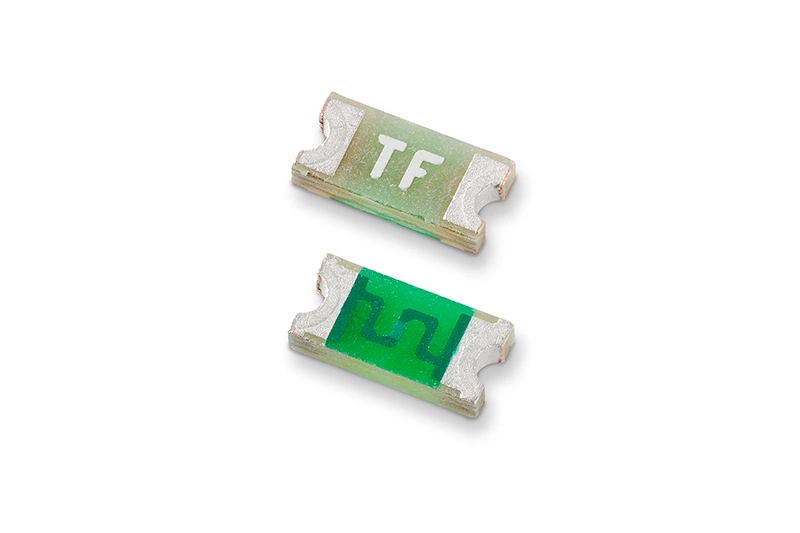
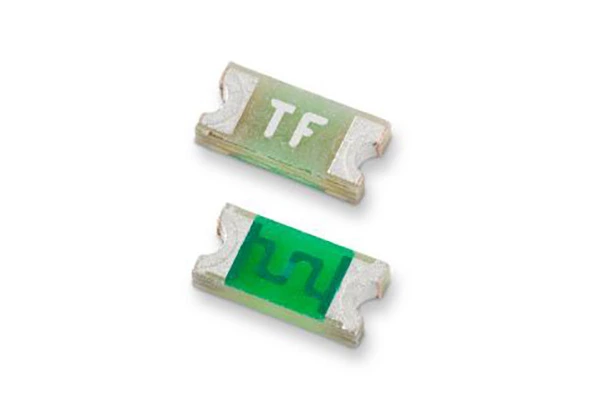
PROSEMI fast-acting and time delay SMD fuses are available in 0402, 0603, 1206, and 1214 packages, with current ratings ranging from 0.2A to 60A, providing reliable overcurrent protection for a wide range of electronic designs. These fuses are engineered to meet the requirements of consumer electronics, automotive electronics, and energy storage systems, where compact size, stable performance, and consistent protection characteristics are critical.
Featuring a compact footprint and robust construction, PROSEMI chip fuses help minimize PCB space while ensuring reliable interruption performance under fault conditions. With flexible manufacturing capability and lead times as short as 4–8 weeks, PROSEMI SMD fuses can be precisely matched to demanding design requirements, delivering an optimal balance of safety, efficiency, and durability. Common ratings such as 1A, 1.5A, 2A, 3A, 5A, 10A, and 20A ect, are kept in regular stock to support urgent sourcing requirements.
Download the product manual below for detailed electrical specifications, dimensions, and application guidelines. For sample requests, technical consultation, quotations or fuse cross reference solutions, please contact our.
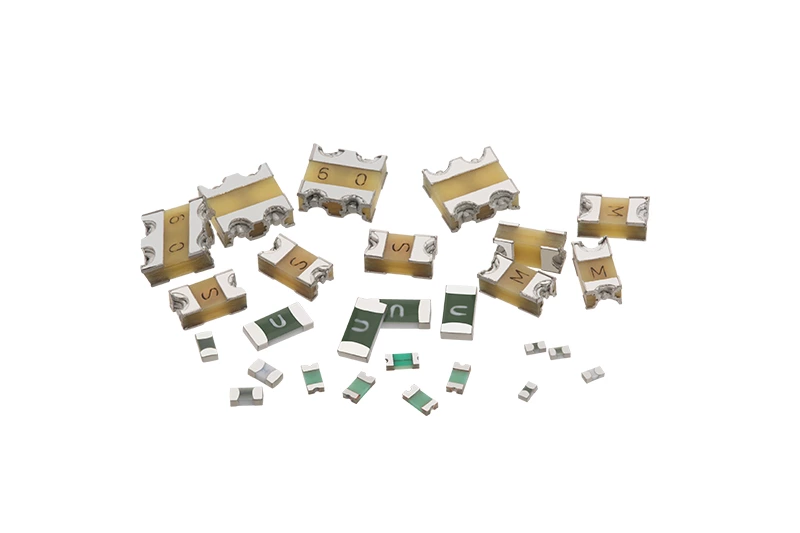
Chip Fuses, also known as surface-mount fuses (SMD fuses), are compact circuit protection devices designed to safeguard electronic systems from overcurrent and short-circuit conditions. With their small footprint and precise current-limiting performance, chip fuses are ideal for high-density PCB designs where space efficiency and reliability are critical.
| Part Number | Package / Case | Mounting Type | Current Rating (Amps) | Voltage Rating | Response Time | Breaking Capacity @ Rated Voltage | Typical Cold Resistance | Typical² Melting I²t(A²Sec) | Operating Temperature | Features | Size / Dimension |
|---|---|---|---|---|---|---|---|---|---|---|---|

|
40 | 24VDC | 0.92 | 283 | No | 3.2×3.6×1.1 |
A: When selecting a chip fuse, both the rated voltage and rated current must be carefully considered to ensure safe and reliable operation.
(1) Selecting the Rated Voltage The rated voltage of a fuse is the maximum voltage at which it can safely interrupt a circuit.
①The fuse’s rated voltage must be equal to or higher than the circuit’s operating voltage.
②A fuse with a lower voltage rating than the circuit voltage must never be used.
Example:
①A 3A / 125V fuse cannot be used in a 250V circuit.
②A 3A / 250V fuse can be safely used in both 125V and 250V circuits.
(2)Selecting the Rated Current
The rated current of a fuse should be selected based on the circuit’s normal operating current and operating conditions.
Key factors to consider include: Normal operating current (Irm), Ambient temperature and derating factors, Inrush or surge current (I²t value), Expected number of current surges during product lifetime
A commonly used calculation method is:
In ≥ Irm / (Sc × Tc), Where: In = Rated current of the fuse
Irm = Maximum normal operating current of the circuit
Sc = Safety derating factor
0.75 (UL standard)
0.9 (IEC standard)
0.85 (JIS standard)
Tc = Temperature derating factor (refer to the fuse’s temperature derating curve)
The selected fuse rating should always be equal to or higher than the calculated value to ensure reliable operation and avoid nuisance blowing.
Summary:
①Choose a rated voltage ≥ circuit voltage
②Calculate rated current based on operating current, temperature, and safety factors
③Consider inrush current and application conditions
④Select the nearest higher standard fuse rating for reliable performance
A: Yes. Samples and technical support are available upon request. Our engineering team can assist with product selection, application evaluation, and technical documentation to support your design and development needs.
A: Yes. Our chip fuses comply with major international safety and environmental standards. They are UL certified and manufactured using halogen-free and lead-free materials, meeting RoHS compliance requirements.
These certifications ensure that our chip fuses meet recognized safety, reliability, and environmental standards, making them suitable for use in a wide range of global electronic and industrial applications.
A: Our SMD chip fuses are available in multiple industry-standard package sizes to support a wide range of circuit designs and power requirements.
Available package sizes include: 0402, 0603, 1206, 1214
Voltage ratings include: 24 VDC, 36 VDC, 48 VDC, 63 VDC, 72 VDC, Up to 125 VAC/DC
These options allow engineers to select the appropriate fuse based on system voltage, space constraints, and application requirements, ensuring safe and reliable overcurrent protection across a wide range of electronic designs.
A: Fast-acting chip fuses respond very quickly to overcurrent conditions. They are designed to open the circuit almost immediately when a fault occurs, making them ideal for protecting sensitive electronic components such as ICs, semiconductors, and precision circuits where even short-duration overcurrent can cause damage.
Time-delay (slow-blow) chip fuses, on the other hand, are designed to withstand temporary inrush currents without opening. They are commonly used on the input side of power supplies or circuits where a brief surge occurs during startup. This inrush current is normal and not considered a fault, so a time-delay fuse allows the system to start safely without nuisance tripping.
In summary:
Fast-acting fuses protect sensitive components by reacting immediately to abnormal current.
Time-delay fuses tolerate short-term surge currents and are better suited for power input and high-inrush applications.
A: A chip fuse is a single-use overcurrent protection device designed to protect electronic circuits from damage caused by excessive current. When an abnormal overcurrent occurs, the fuse element rapidly heats up and melts, permanently opening the circuit and preventing further damage to sensitive components.
Chip fuses operate by converting excessive electrical current into heat. Once the current exceeds the rated limit, the internal fuse element melts and breaks the circuit. Because this process is irreversible, the fuse must be replaced after it operates.
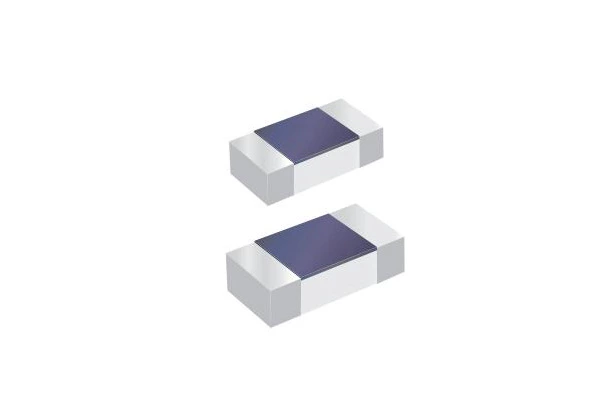
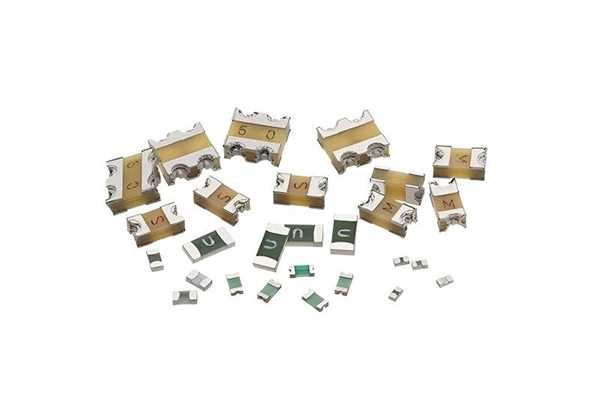
Prosemi Technology, as a leading company in the field of precision current sensing components, is dedicated to providing customers with high-performance and high-reliability solutions. Our precision alloy current-sensing resistors, including SMD chip resistors and shunt resistors, are designed for a variety of applications, helping your products achieve accurate current detection and efficient energy management.


Headquarters Address: Building 7, No.119 Xingpu Road, Suzhou Industrial Park, Pilot Free Trade Zone, 215126 Suzhou, PEOPLE'S REPUBLIC OF CHINA
Monday to Friday - 9:00 AM to 6:00 PM
Feel free to fill out our contact form below and our support team will get back to you within 24 hours.
We use cookies to collect information about how you use this site. We use this information to make the website work as well as possible and improve our services.more details
